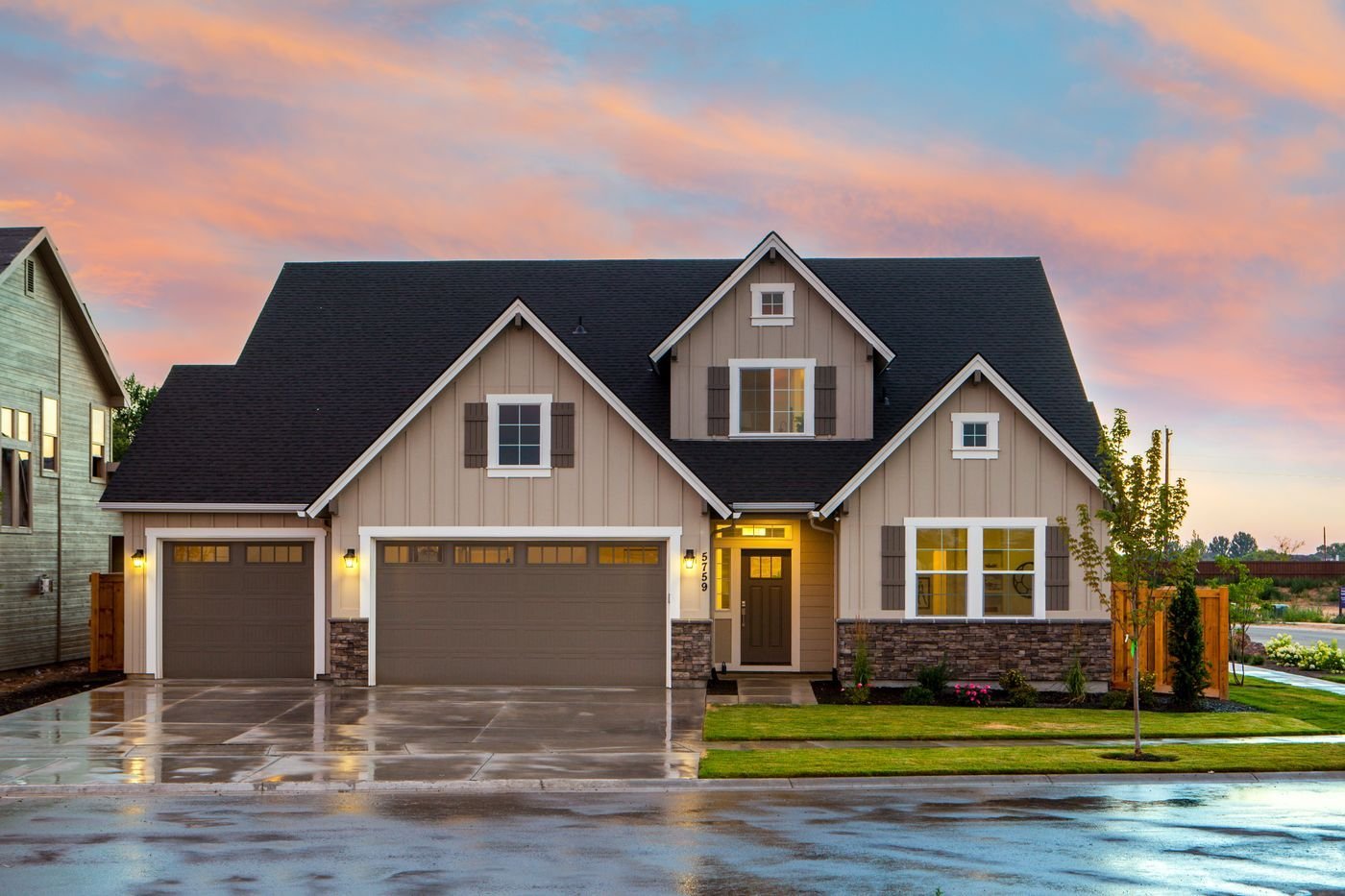
This is a question we field often enough to give it a dedicated answer, since the right method genuinely differs from a standard site-built house wash in several specific ways. Mobile and manufactured homes are common across Houston, Dale, and Henry counties, in standalone rural lots and in established communities alike, and they get dirty the same way site-built homes do — pollen, algae, and road clay. What changes is the siding itself, the skirting, and often the roof, all of which need a more conservative approach than a conventional stick-built house.
Why manufactured-home siding is more pressure-sensitive
Aluminum or thin vinyl siding used on many manufactured homes, particularly older units, is generally thinner and less rigid than the siding found on most site-built houses in this market. Thinner material dents, creases, and punctures more easily under concentrated pressure, and a tight-angle tip that would be merely risky on thicker site-built vinyl can crease or crack thinner manufactured-home panels outright. This is the central reason the same “low pressure, wide fan, keep moving” principle used for house soft washing matters even more here — the margin for a mistake is narrower, not because the chemistry is different, but because the substrate underneath tolerates less mechanical force.
Skirting is its own separate job
The vinyl or metal skirting that closes the gap between a manufactured home’s floor and the ground is one of the more commonly neglected exterior surfaces we see, mostly because it sits low, close to the ground, and out of the sightline most people use when assessing how dirty a house looks. Skirting collects mud splash, grass clippings, red clay from mowing and yard work, and heavy algae growth in shaded sections, often worse than the siding above it since it sits closer to damp soil and gets less airflow and sun. Skirting panels are typically thinner and more lightly fastened than wall siding, which means they need even gentler handling — low pressure, careful fan width, and attention to not dislodging a panel that may already be loosely seated in its track.
Roof differences on manufactured homes
Many manufactured homes, especially single-wide and older double-wide units, have a different roof system than a typical shingled site-built house — often a metal roof, sometimes with a low-slope or nearly flat profile, sometimes with a rubber membrane (TPO or EPDM) rather than shingles at all. Each of these materials has its own cleaning considerations distinct from the asphalt shingle guidance covered on the roof warranty post. Metal roofs tolerate more pressure than shingles but still need attention to seams and fasteners. A membrane roof is more sensitive to aggressive pressure and to the wrong chemical, since some membrane materials react poorly to certain cleaners; a membrane manufacturer’s own cleaning guidance, where available, is the right reference rather than a generic roof-wash approach. Confirming the actual roof type before scheduling is one of the first things worth clarifying for any manufactured home quote.
Porches, steps, and add-on structures
Many manufactured homes have an add-on wood or composite porch, steps, or a small deck built separately from the home itself, sometimes by a different contractor than the home’s original installer and sometimes years later as a homeowner addition. These structures follow the same wood and composite guidance covered on the deck and fence post rather than the siding guidance, since they are a different material entirely even though they are attached to the home. A full exterior quote for a manufactured home property typically treats the home’s siding, the skirting, any porch or deck structure, and the roof as four distinct elements, each assessed on its own terms rather than quoted as one blanket “house wash.”
Mobile home parks and community considerations
Homes within an established mobile home community or park sometimes operate under community rules similar to an HOA, including exterior appearance standards, and the same kind of cure-notice process covered on the HOA checklist post can apply. Community management in some parks also restricts access hours or requires advance notice before a service vehicle enters common areas, which is worth mentioning when scheduling if your home sits within a managed community rather than on an individual rural lot.
Why age and prior maintenance history matter more here
Age is the single strongest predictor of how a given manufactured home will respond to washing, more so than it typically is for a site-built house. A ten-year-old double-wide with intact, well-maintained vinyl siding behaves much like standard site-built siding under the same low-pressure soft wash. A thirty-year-old single-wide that has weathered decades of Alabama sun, often with siding thinner than anything manufactured today, needs meaningfully more caution, and in some spots may show signs that the material has simply reached the end of what any cleaning method can safely do for it.
A manufactured home’s siding and skirting age differently depending on manufacturer, installation era, and how well it has been maintained, more variably than the fairly standardized vinyl siding used across most site-built subdivisions. An older single-wide from several decades ago may have siding that has already thinned, chalked, or become brittle from UV exposure, similar to the oxidation issue covered on the vinyl oxidation post, but often more advanced given the thinner original material. On a home showing this kind of wear, we use an even more conservative pressure setting than our already-gentle default, and we will say directly if a particular section looks too fragile for a wash to be worthwhile versus simply replacing that section.
Setting realistic expectations before the visit
Because manufactured-home siding and skirting vary so widely by age, manufacturer, and prior condition, a phone-only quote is less reliable here than for a standard site-built house. A few photos — the siding from a normal distance, the skirting up close, and the roof if accessible to photograph — help set an accurate expectation before anyone arrives, and for an older or visibly worn home, an in-person look before committing to a full-house price is often the more honest approach than guessing from a description alone.
How manufacturer guidance differs from general vinyl-siding advice
Site-built homes in this market almost universally use standard vinyl siding products with well-established, broadly similar cleaning tolerances across manufacturers. Manufactured homes, by contrast, are built by a smaller number of specialized manufacturers — names like Clayton, Champion, and others common across the Southeast — each of which may publish its own specific exterior maintenance guidance, including recommended cleaning methods and products, in homeowner manuals that often go unread or get lost over the years a home changes hands. Where that documentation is available, either from the original paperwork or from the manufacturer’s current website if the model is identifiable, it is worth checking before any exterior cleaning, since some manufacturers specify particular limitations — a maximum PSI, a list of approved cleaning chemicals, or specific guidance about seams and trim — that go beyond the general low-pressure principle we apply by default in its absence. When no specific manufacturer guidance is available, which is common for older homes with lost paperwork, we default to the most conservative approach consistent with thin-gauge siding generally, treating the home as more fragile than a typical site-built wall rather than assuming it can take standard site-built pressure.
Why a mismatched quote is a common problem in this category
One pattern we see fairly often is a homeowner requesting a standard house-wash quote without mentioning the home is manufactured rather than site-built, which can lead to a mismatched expectation on both sides — a quote priced and planned for site-built siding tolerances, applied to a thinner, more sensitive surface. This is not usually anyone’s fault; from a brief phone description, “house wash” sounds the same regardless of construction type. Mentioning upfront that the home is a single-wide, double-wide, or triple-wide manufactured home, along with its approximate age if known, lets us plan the right pressure, chemical, and technique from the first conversation rather than adjusting mid-job once the siding’s actual sensitivity becomes apparent on site.
Rural lot considerations beyond the home itself
Many manufactured homes in the surrounding county areas sit on larger rural lots than a typical in-town subdivision home, often with a longer gravel or dirt driveway, an outbuilding or carport, and sometimes well water rather than municipal supply. Each of these intersects with topics covered elsewhere on this site: well water with high iron content can cause the same irrigation-style rust staining described on the irrigation rust post if used for any exterior rinsing or nearby irrigation, and a long gravel driveway tracks more loose debris and dust onto the home’s lower siding and skirting than a paved driveway would, accelerating the buildup specifically in that lower band of the home. None of this changes the core washing method, but it does mean a rural manufactured-home property sometimes benefits from addressing the driveway surface and any well-water staining in the same visit as the home itself, rather than treating them as unrelated concerns.
Mobile and manufactured home washing FAQ
Is it safe to pressure wash around the home’s utility connections and skirting vents? These areas need extra care rather than being avoided entirely. Water directed carefully, at low pressure and from an appropriate distance, away from electrical connections and directly into vents, is generally fine; the risk comes from careless aim or excessive pressure near these points, not from washing near them at all.
Does a manufactured home need washing more or less often than a site-built house? Generally similar frequency, driven by the same shade, moisture, and pollen factors covered on the best time to pressure wash post. Skirting specifically often needs more frequent attention than wall siding, simply because of its proximity to ground-level moisture and splash.
Can red clay on skirting be treated the same way as clay on a driveway? The clay chemistry is the same, but the pressure and dwell time are adjusted down to suit the more delicate skirting material, the same way the clay-removal principles on our red clay post get scaled down from masonry to a thinner surface.
What if some skirting panels are already cracked or missing? We will wash around and work carefully near any already-damaged panels, but we will not attempt to force water through a gap or treat a cracked panel as sound. Flagging known damage in advance, or being present for a quick walk-around before the wash starts, helps avoid surprises on either side.
Does insurance or a home warranty ever require proof of regular exterior maintenance on a manufactured home? Some manufactured-home insurance policies and warranty terms do reference regular maintenance expectations, though specifics vary significantly by carrier and policy. Keeping a simple record of wash dates, similar to the documentation habit covered on the commercial cleaning post, is a reasonable practice if your policy or warranty references maintenance requirements, even informally.
Is a double-wide or triple-wide priced differently than a single-wide for washing? Generally priced by actual exterior square footage and the number of distinct elements involved (siding, skirting, porch, roof), similar to how a larger site-built home costs more than a smaller one for the same reason — more surface area takes more time and material, not a different per-unit rate.
Can this same gentle approach apply to a park model or tiny home on a similar chassis? Yes. Park models and chassis-built tiny homes typically share similar thin-gauge siding characteristics with manufactured housing generally, so the same conservative pressure and technique applies, with the same emphasis on checking manufacturer guidance where it exists.
Should skirting be removed before washing to clean the ground underneath? Not as a standard part of a wash visit — skirting removal and reinstallation is more of a maintenance or pest-control task than a cleaning one. If ventilation or moisture issues underneath the home are a separate concern, that is worth raising with a manufactured-home service technician rather than folding into an exterior wash.
Is a rented or leased manufactured home treated differently when scheduling a wash? The tenant can typically request and schedule the service, but the same courtesy applies as with any rental property — confirming with the landlord or property owner, especially for an older home where the right level of pressure and chemical caution is a judgment call best made with the owner’s knowledge.