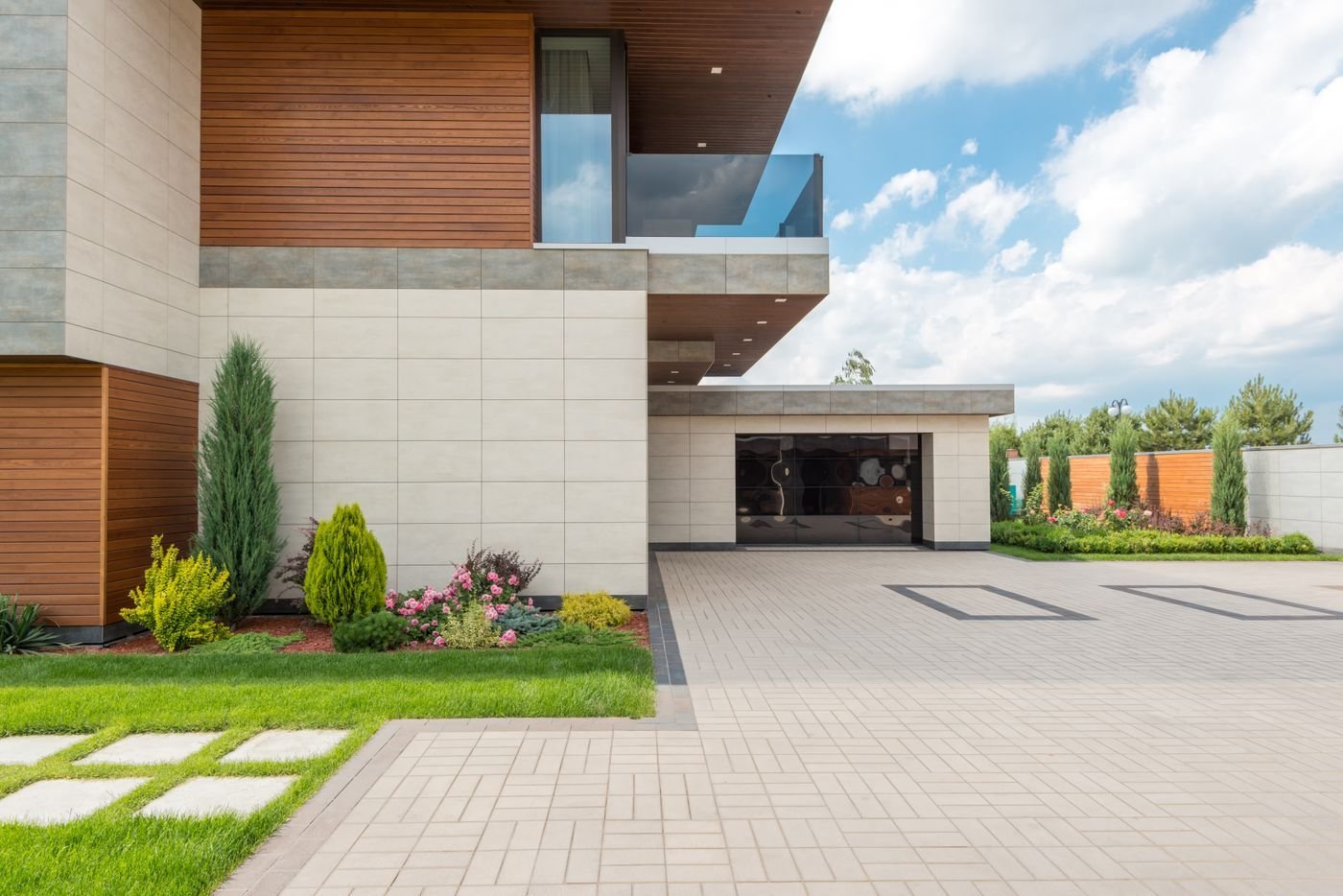
The middle of a two-car driveway tells on the vehicle. A dark kidney-shaped spot under the engine, a pair of tire shadows, an orange fan where the sprinkler reaches the slab. Each one survives a casual rinse. Each one also survives the wrong chemical, which is how people end up with a clean driveway and one loud stain.
Why Fresh vs. Set-In Oil Stains Behave Differently
Fresh oil is still oil. A degreaser, dwell time, and agitation pull it out of the surface pores, and hot water helps because it thins the oil. Do that in the first days and the spot often gives up.
Set-in oil is different. Over months it oxidizes and soaks into the cement paste. You can remove what is still mobile and leave a ghost. That ghost is lighter than the original spot and darker than fully clean concrete. On a driveway that is also covered in mildew, the ghost looks terrible because it is the only mark on an otherwise filthy slab. After the whole slab is clean, the same ghost is often acceptable. We set that expectation before the wash, not after you have paid.
Cat litter and dish soap are the household attempts. Litter soaks a fresh spill if you do it immediately. Dish soap is a weak surfactant that smears older oil. Neither replaces a degreaser and a proper rinse. The full flatwork method, once the spot is treated, is on the driveway page.
Iron & Irrigation Rust Stains on Dothan Concrete & Brick
Well water and some municipal supplies in the Wiregrass carry iron. Sprinklers paint it onto concrete, brick steps, and white vinyl in the shape of the spray. It looks a little like red clay and it is not clay. Clay is soil. This is dissolved iron that oxidizes as it dries.
Rust removers for masonry, used with a short dwell and a thorough rinse, lift a lot of irrigation staining. They are not bleach, and they are not a reason to pressure-cut the concrete. The same orange on a brick porch is treated at lower pressure so the mortar stays put. If the sprinkler head is aimed at the house, the stain returns with the next cycle. Adjusting that head is the maintenance half. The irrigation article covers the pattern recognition.
Fertilizer burn and copper from a treated board can also stain. A photo saves a wrong guess.
Degreasing, Hot Water & Rust-Remover Chemistry (Realistic Shadow Expectations)
Oil: degreaser, dwell, agitate, rinse, sometimes a second round, then the surface cleaner so the surrounding mildew does not frame the spot. Hot water when the equipment on that visit has it, because heat moves grease. Cold water still works on fresh, thin film. It struggles with baked-on drips.
Rust: a dedicated remover, not chlorine. Chlorine can darken some iron stains. The product is rinsed completely so it does not sit in the grass. Pets off the slab until it is flushed.
Battery acid: if the circle is rough to the touch, the concrete has been etched. Cleaning is housekeeping. Repair is a patch or a grind, which is not a pressure-washing service. We will say that plainly.
Commercial parking stalls and dumpster pads multiply these stains. They are priced on the commercial page, with degreasing called out instead of buried in a “sidewalk wash.”
Oil & Rust Stain FAQ
Spot treatment plus a standard driveway often adds a modest amount to the driveway range of about $140–$250. That driveway figure is a typical range, estimate only. A driveway that is more oil than concrete, or a rust field from a broken irrigation valve, is quoted from the photo. Send it with the form. Include whether the leak is fixed. Washing a slab that is still being fed is a temporary kindness.