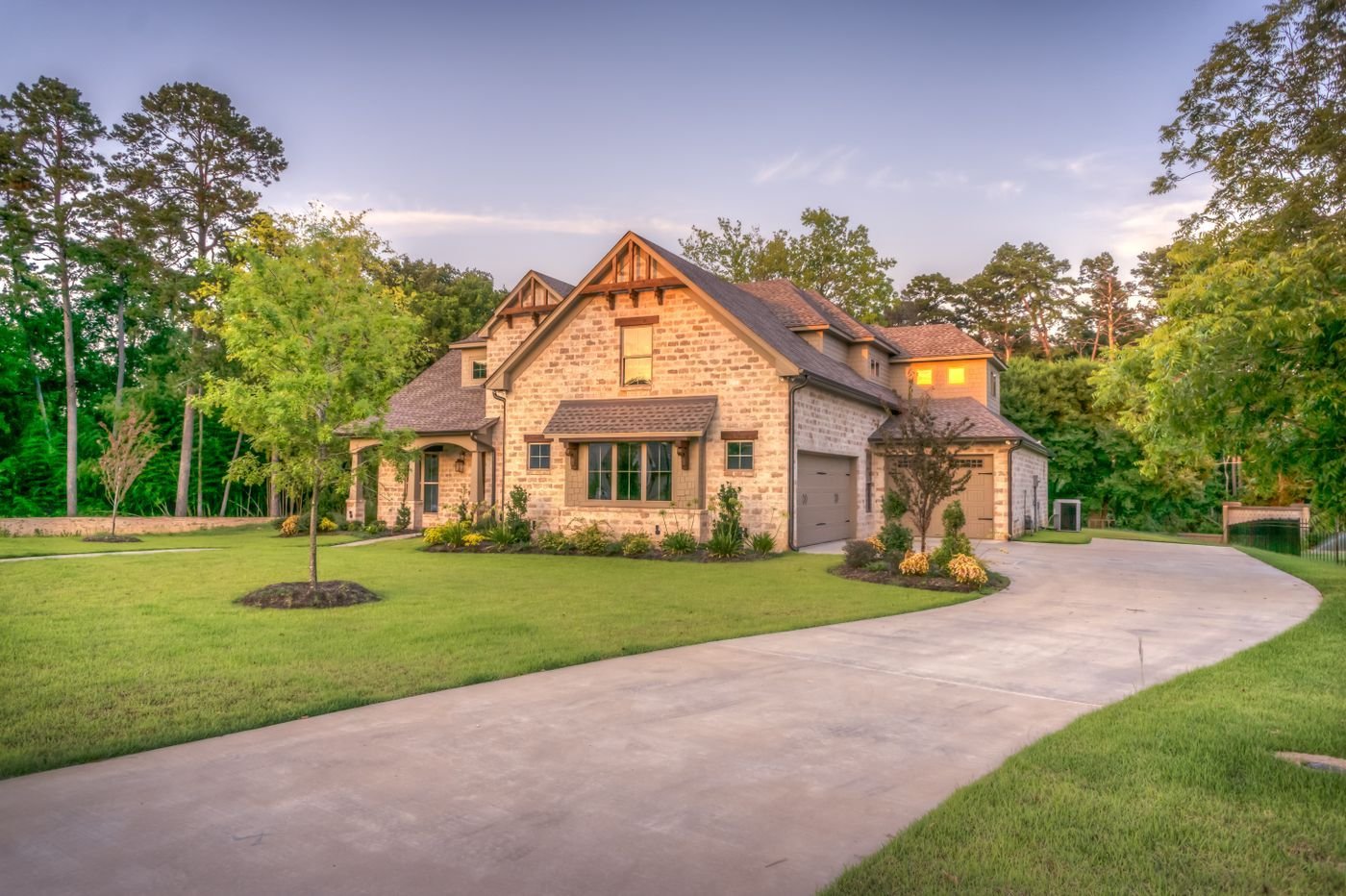
Concrete in the Wiregrass picks up a black cast that homeowners call dirt. Most of it is mildew living on a film of pollen, shade, and moisture. Tire lanes go darker because rubber and road film pack into the paste. Red clay from a bare bed or a construction apron stains orange-red and laughs at a plain rinse.
Why Surface Cleaners Beat Wand-Only Concrete Washing
A pressure-washer wand with a 25-degree tip can clean concrete. It also writes the operator’s arm speed into the slab. Where the tip paused, the concrete is lighter. Where the pass gapped, a dirty stripe remains. Those stripes show up the moment the driveway dries, which is why the “it looked great while it was wet” complaint exists.
A rotary surface cleaner puts two or more jets under a deck, typically a 12-inch to 20-inch housing on residential work. The jets spin and the housing holds distance off the concrete. You walk it like a lawn mower, overlapping the clean edge by a few inches. PSI still matters, but gallons per minute matter as much. A machine in the 4 GPM range flushes soil out of the pores. A small 1.5 GPM electric unit can eventually clean a pad, and it will take much longer and tempt someone to compensate with a tighter tip. Tight tips etch.
Edges, corners, and the expansion joint along the garage get a wand after the surface cleaner, at a fan tip, with the same overlap discipline. That detail work is part of driveway pressure washing in Dothan, not an extra you discover on the invoice without being told.
Concrete Surfaces We Clean
Flatwork is not all the same hardness. Broom-finished driveway concrete, a slick garage, a stamped patio, and a paver field each have a ceiling.
Driveways & Aprons
The two-car pad and the city apron are the usual request. We pretreat black mildew so the surface cleaner is lifting dead growth, not trying to cut it out of the paste with pressure alone. Tire marks often fade with the mildew. If a lane is oil, that spot gets degreaser first. See oil and rust removal for what a realistic shadow looks like.
Sidewalks & Curbs
Sidewalks collect the same mildew, plus irrigation overspray that leaves iron arcs. Curbs hold clay where tires throw mud up from the street after a storm. We keep the wand off the grass line so the turf is not scalped.
Pool Surrounds & Garage Floors
Pool decks are often a lighter, more textured concrete or a cool-deck coating. High pressure destroys that texture. The patio and pool deck page is the right scope if the concrete is there to be walked on barefoot. Garage floors get oil treatment and a surface cleaner, with the door threshold watched so water is not driven into the house.
Brick Pavers
Pavers move if the joints are blasted empty. We drop pressure, use a wider fan or a surface cleaner set up for pavers, and avoid turning polymeric sand into a ditch. Clay on pavers still needs the clay detergent. Pressure alone polishes the stain and empties the joints.
Pre- & Post-Treatment for Black Mildew and Red Clay
Black mildew responds to a sodium hypochlorite pretreatment, milder than a heavy roof mix, with surfactant, a short dwell, and the surface cleaner behind it. Rinse to the street or the lawn as the grade allows, and keep the solution off landscape beds while it is still concentrated.
Red clay is iron. Chlorine does not chelate it. A clay-specific detergent — often an acidic product made for masonry — sits, is agitated lightly, and is neutralized and rinsed. Left on too long, the same acid etches concrete. That is why red clay removal is scheduled as its own step, not dumped into the house-wash tank.
After the wash, concrete looks darker while it is wet. Judge it dry. A light haze can be efflorescence or leftover surfactant. A second rinse fixes surfactant. Efflorescence is minerals and may need a different cleaner.
New Concrete Caution (Waiting Before High Pressure)
Concrete that is only weeks old has a soft surface cream. High pressure, especially a tight tip, tears that cream and leaves a permanent scar that looks like a sponge. We do not pressure wash new driveways in the first month, and we are cautious well past that. Even at a year or two, a zero-degree tip will etch. The practical rule we follow is the one on the new concrete timing guide: let it cure, then use a surface cleaner at moderate pressure, not a needle tip trying to hurry a clay stain.
If the pour is part of a new build and the clay is already in the slab, a chemical clay treatment at low pressure is safer than “turning it up.” Tell us the pour date when you request the quote.
Driveway Cleaning FAQ
The accordion answers the stripe, oil, and cure questions. If the slab is stamped, painted, or coated, say so. Coatings fail under pressure that plain concrete would shrug off.